
On this page
- The short answer: often yes, after the condition is checked
- What needs to be checked before another layer goes in?
- Old, uneven and unsuitable are different findings
- Can the new insulation be a different material?
- Preparation can matter more than removing everything
- When the project should pause
- Compare the two scopes fairly
- Questions to take to the contractor
- Frequently asked questions
The short answer: often yes, after the condition is checked
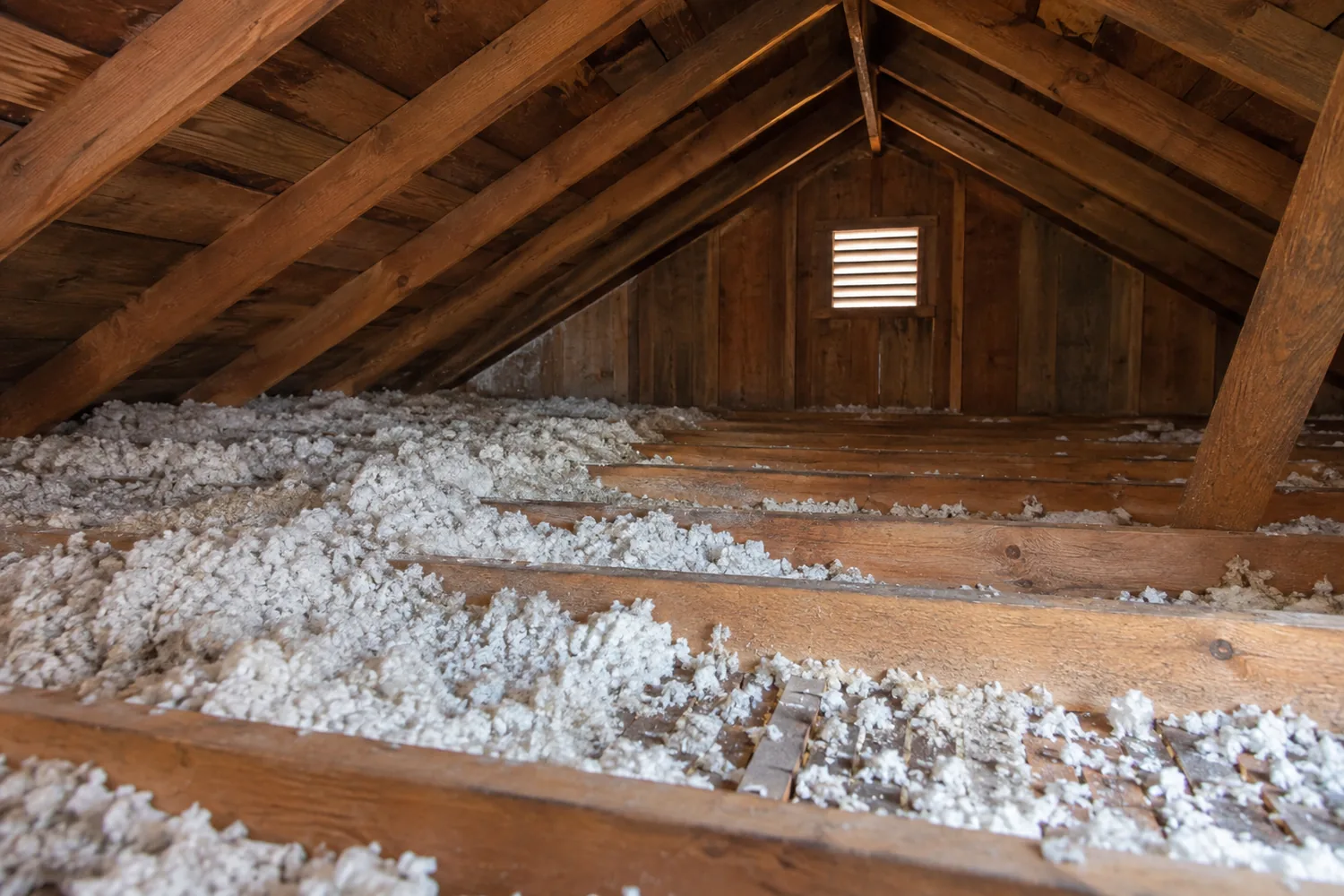
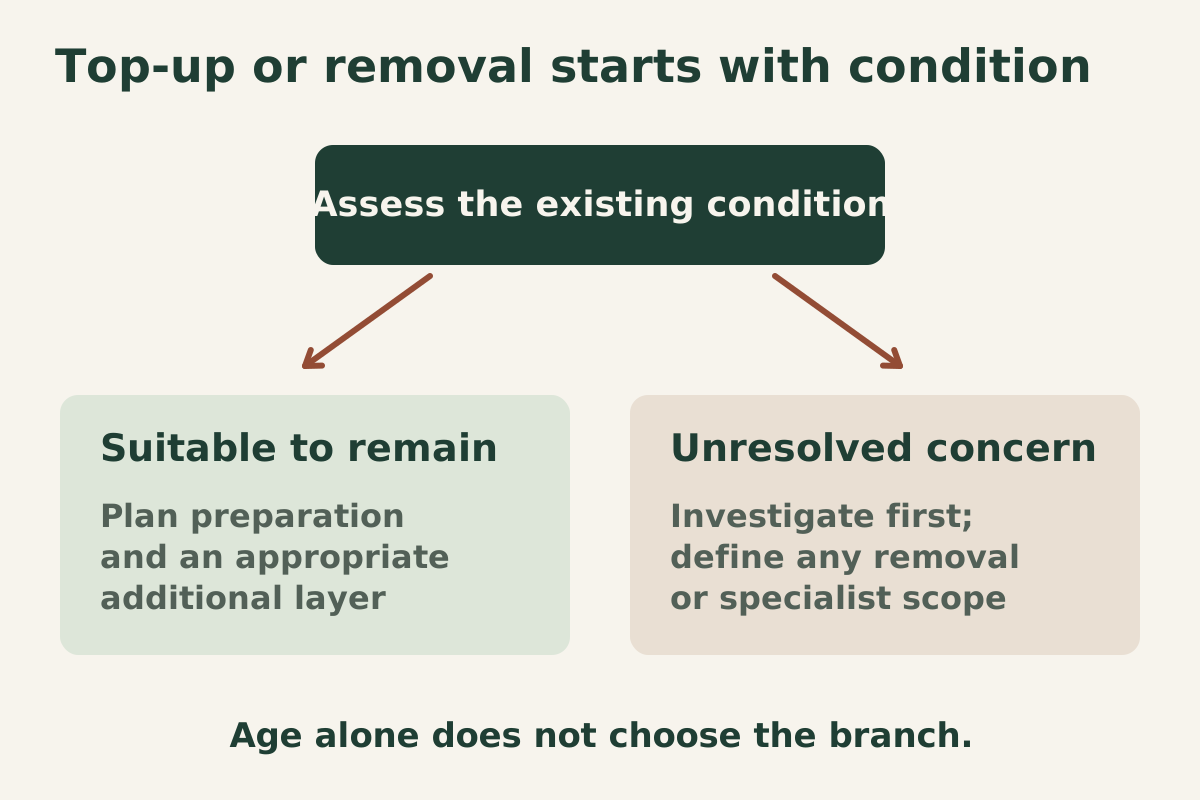
New insulation can often be added over suitable existing attic insulation. The important conditions are that the existing material can remain, underlying problems have been addressed, and the preparation needed for the new layer is accessible. Age by itself does not establish that the entire attic must be emptied.
A top-up is a scope decision. It should follow an assessment of the material, coverage, moisture history, air-sealing needs and ventilation paths. If the recommendation is removal, ask what finding makes removal necessary and whether it affects the whole attic or a specific area. The attic insulation service guide explains the work a suitable top-up may involve.
What needs to be checked before another layer goes in?
Think of the assessment as three separate questions: can the existing material stay, can the preparation be completed, and can the new product be installed as specified? A positive answer to one does not answer the others. Dry-looking insulation, for example, does not prove that all ceiling bypasses beneath it have been addressed.
| Question | What it helps establish | What to request in the scope |
|---|---|---|
| What material is present? | Whether it is identifiable and suitable to work around. | The identified material and any unresolved uncertainty. |
| Is coverage continuous? | Whether gaps, displaced areas or several different layers need attention. | Areas to be corrected before or during the top-up. |
| Is there a moisture or pest history? | Whether another issue needs investigation first. | The required repair or assessment and who handles it. |
| Can the ceiling plane be reached? | Whether air-sealing preparation can be completed without full removal. | Specific preparation, access limits and exclusions. |
| Are eaves and the hatch accounted for? | How the new depth will interact with airflow and access. | Baffles, insulation containment and hatch details where needed. |
An attic assessment may be limited by clearance and concealed construction. Ask the provider to distinguish what was observed from what was assumed.
Old, uneven and unsuitable are different findings
“Old” describes time. “Uneven” describes coverage. Neither word, on its own, identifies a hazardous material or establishes that removal is the right project. Insulation can be displaced by earlier work or arranged at different depths across an attic. The proposal should describe the actual condition rather than rely on a broad label.
Where material is suitable, correcting gaps and adding an appropriate layer may be part of a top-up. Where wet, damaged or suspect material is present, the next step depends on the cause and the material involved. Ask for the reason behind the recommendation. This makes it easier to compare two quotes that use different language for the same space.
Can the new insulation be a different material?
Some combinations are possible in conventional attic-floor upgrades. ENERGY STAR’s attic insulation guidance describes adding loose fill over existing fibreglass batts, among other approaches. That general example does not establish that every product, facing or roof assembly can be combined.
Ask the contractor to identify the existing material, the proposed product and the installation instructions that apply. A facing or added vapour-control layer can change the assembly; it should not be introduced casually between insulation layers. Enclosed roof slopes and unvented assemblies need a separate design discussion from an open vented attic floor.
The materials guide compares product forms. For quote details, the useful information is the named product, its intended installed level and how the existing layer has been accounted for. A generic promise to add a fixed number of inches leaves those questions unanswered.
Preparation can matter more than removing everything
In a suitable attic, selective access to ceiling penetrations, the hatch and eaves may allow necessary preparation without emptying every bay. In another attic, obstructions or unsuitable material may make a wider removal scope necessary. The contractor should explain the method and what remains inaccessible.
Ask how the proposal deals with major air-leakage paths before the final layer obscures them. Also ask whether eave airflow paths, hatch insulation and containment are included or quoted separately. Air sealing and ventilation have different functions, and neither should be reduced to an unexplained line item labelled “prep.”
If other trades still need access for wiring, roofing or exhaust work, discuss the sequence. Finishing insulation before that work can mean disturbing the new coverage later. This is especially useful when the upgrade forms part of a wider Mississauga renovation or work above a recently altered bathroom.
When the project should pause
Do not cover over an unresolved water problem merely to complete a top-up. The cause needs attention and the affected materials need assessment. A known pest issue also needs its source addressed; replacing insulation alone does not establish that the problem is resolved.
Suspect vermiculite is a separate stop point. It may contain asbestos, and appearance alone cannot establish safety. Do not disturb it to take a sample for a routine enquiry. Follow Health Canada’s asbestos guidance and seek appropriate professional assessment before ordinary insulation work.
A specialist requirement should be identified clearly in the quote. An insulation removal service description is not evidence that a provider is qualified for every hazardous-material task.
Compare the two scopes fairly
A top-up quote should state what stays, what preparation is included and what finished level is intended. A removal-and-replacement quote should explain what is removed, why, how disposal is handled, what is exposed for preparation and what replaces the material. Both should define access, protection, cleanup and exclusions.
If one proposal includes removal and another does not, ask both providers to respond to the same condition finding. A lower price with a different scope is not automatically a better or worse proposal. The removal and replacement page and cost guide can help you separate the work before comparing totals.
After installation, ask what documentation will identify the product and coverage. Depth markers are useful context, but the installed performance also depends on the product and installation requirements. Read R-value and insulation depth for the difference.
Questions to take to the contractor
- What existing material and condition did you observe, and which areas could not be checked?
- What can remain, and what specific finding supports any removal recommendation?
- Which air-sealing, eave and hatch details are included before new material is placed?
- How does the proposed product work with the existing layer and assembly?
- Which problems need another trade or specialist before this work starts?
- What product and installation records will be provided after completion?
These questions are useful even if you have never entered the attic. You can share an existing inspection report or earlier invoice without disturbing the space.
Frequently asked questions
Age alone is not enough to determine the next step. Material type, condition, coverage and the installation requirements need assessment. Ask for a finding about your attic rather than an age-based replacement rule.Does older insulation stop working simply because it is old?
It may improve suitable areas of inadequate coverage, but the proposal must also account for access, required clearances and eave airflow. A thin-looking location can need a detail change rather than indiscriminate filling.Can a top-up fix every thin area?
Not always. The amount of material that must be moved or removed depends on access and condition. Ask which ceiling details can be reached and what the quoted preparation actually includes.Is removal required to air-seal an attic?
Provide the postal code, property type, known hatch location and a brief description of the concern. Mention any known leak, pest issue or suspect material. You do not need to enter the attic or collect a sample.What should I send with a Mississauga top-up enquiry?