
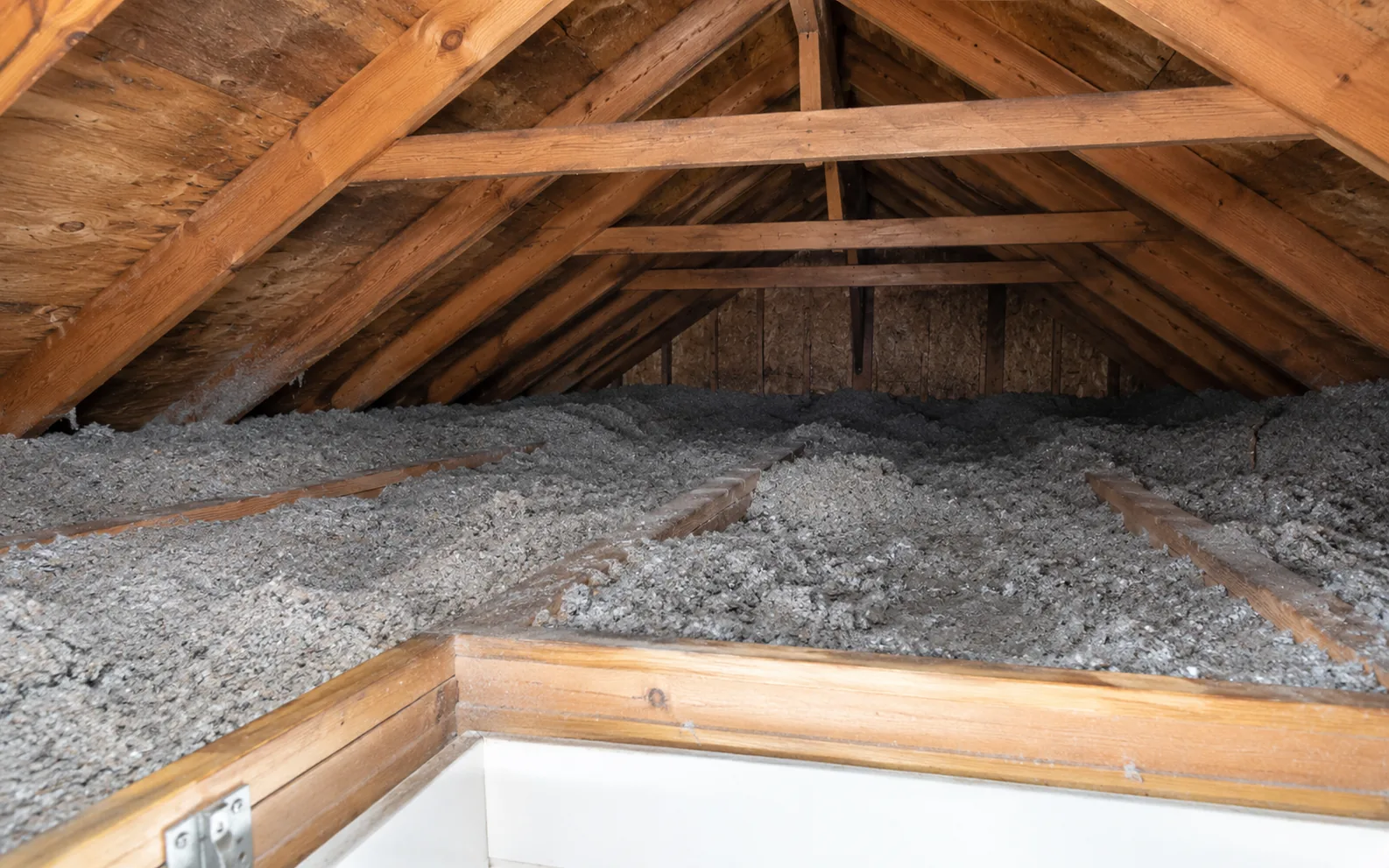
Find out what your attic needs before choosing the work
An attic inspection or insulation assessment helps establish the condition of accessible areas and the scope worth investigating. It can be a useful first step when you are considering a top-up, comparing upgrade options, or trying to understand visible damage or uneven comfort.
Tell us whether you want an assessment associated with an insulation quote or a standalone inspection. The contractor should confirm the available service, any fee, the areas covered and the form of the findings before a visit is booked. A written report, thermal imaging, blower-door testing or a formal energy assessment should never be assumed to be included.
You do not need an attic diagnosis before making an enquiry. Your postal code, property type and a description of what you have noticed are enough to start the conversation.
Reasons to request an assessment
Homeowners often ask for an assessment before adding more insulation, after work by another trade, or when they do not know what insulation is present. A change in room comfort or a visible ceiling stain can also prompt questions, although those symptoms can have causes outside the insulation system.
An assessment is particularly useful when two quotes recommend different treatments. If one proposes a straightforward top-up and another proposes removal and replacement, ask what observed condition supports each recommendation. The comparison should turn on the attic’s condition and the work involved, not only the final price.
If your concern is an active leak or another urgent building problem, describe that clearly when contacting a professional. An insulation enquiry should not delay the appropriate repair service.
What an attic insulation assessment may examine
The exact scope depends on access, conditions and the service booked. A useful discussion covers the following areas and identifies any limitations.
| Area | Questions the findings should help answer |
|---|---|
| Existing insulation | What material appears to be present, and is further identification needed? |
| Depth and distribution | Is coverage consistent across the accessible area, or are there visible gaps, disturbed sections or different zones? |
| Attic-floor air leakage | Which accessible openings or joints may need attention before insulation is added? |
| Ventilation paths | Are the intended intake routes and baffle channels accessible and visibly clear? |
| Hatch and access | Is the hatch insulated and sealed, and how will access affect the proposed work? |
| Visible moisture or damage | What concerns require investigation before an ordinary insulation upgrade? |
| Other services | Does the scope require a roofer, qualified remediation professional, electrician or another trade? |
The inspection should distinguish observations from conclusions. A visible stain is an observation; identifying its cause may require further investigation. A photograph of loose fill does not establish its composition or safety. Likewise, one depth measurement does not demonstrate the condition of the whole attic.
Understand the limits of accessible inspection
Low roof clearance, storage, unsafe footing, concealed cavities and separate roof spaces can limit what can be examined. Ask which areas were accessible and which were not. If an inaccessible area is important to your project, discuss how it will be assessed before agreeing to a final installation scope.
An attic-focused visit is also different from a whole-home inspection. It does not automatically assess every roof component, electrical installation, HVAC system or structural element. The person carrying out the visit should describe the boundaries of their service and identify matters that need another qualified professional.
For a house with an addition, split-level layout or knee-wall space, mention those features before the appointment. Our Mississauga home guide explains how the form of the house can change the access and planning questions.
Contractor assessment or formal energy assessment?
A contractor assessment is generally used to understand the proposed installation and prepare a scope or quotation. A program-related home energy assessment follows the requirements of its particular program and may involve a broader evaluation of the home.
If you are seeking a rebate, confirm the required assessment route directly with the program before starting work. Booking an attic visit does not by itself satisfy every program requirement. See the insulation rebate guide for official sources and sequencing questions.
Thermal imaging and air-leakage testing can also have different purposes. If either is important to you, ask whether it is available, why it is appropriate, what it can establish under the visit conditions and whether the findings will be documented. No testing equipment is promised as part of every enquiry.
What to ask for after the visit
You should be able to understand the recommendation in ordinary language. Ask for the proposed scope, its assumptions, areas not included and the next steps before installation. When a top-up is recommended, the quote should specify the material and intended installed level. When removal is recommended, it should explain why keeping the material is unsuitable.
Useful follow-up questions include:
- Which findings directly affect the insulation work?
- What needs correcting before the installer returns?
- Are air sealing, baffles and hatch work included or separately priced?
- Are there areas that could not be assessed or insulated?
- Is the quote based on measured attic area or a preliminary estimate?
- What documentation will be provided when the work is complete?
The quote comparison checklist gives you a consistent way to record these answers. Keep the assessment and quotation together so the agreed scope remains clear if the project changes.
Possible next steps
| Finding or project need | Appropriate follow-up discussion |
|---|---|
| Suitable existing material and inadequate proposed coverage | Discuss an attic insulation top-up and its preparation |
| Accessible leakage or airflow issues | Clarify air sealing, hatch work, baffles or ventilation coordination |
| Material that may need removal | Establish the reason, material type, disposal and replacement sequence |
| Moisture, roof leakage or suspect material | Arrange the relevant investigation or specialist work before insulation is covered |
| Concerns outside an open attic | Consider the wall, basement, garage-ceiling or other assembly involved |
Preparing for the conversation
Have the property’s postal code, the location of the attic access and any readily available information about previous work. If you already have reports or photographs taken safely, mention them. You do not need to create new attic photographs or move material to obtain a quote.
Describe when the problem occurs. For example, an upstairs room that is uncomfortable on sunny afternoons is different from a ceiling mark that appears after rain. That description helps the contractor understand the question; it does not replace an on-site assessment.
For a townhouse or condominium arrangement, confirm who can authorize the visit and the proposed work. Access permission and responsibility for the roof or common elements should be clarified before a booking is finalized.
Attic inspection questions
Is an inspection free?
Confirm any fee and the purpose of the visit before booking. A quotation visit and a standalone inspection may have different terms.
Will I receive a written report?
Ask before the appointment. Written reports, photographs and quotation notes are different deliverables, and the service should specify what you will receive.
Can the inspection identify every hidden issue?
An accessible inspection has limits. Concealed or inaccessible areas and matters outside the booked scope may require further investigation.
Can an attic assessment tell me whether removal is necessary?
It can inform that decision, but suspect materials or other specialist concerns may need separate assessment. The recommendation should explain the evidence and any remaining uncertainty.
What if I only want a top-up quote?
Choose “Attic Insulation Top-Ups” in your enquiry and describe the existing coverage if you know it. The contractor can explain what assessment is needed to prepare the quote.
Related guidance: air sealing and ventilation, cost and quote scope, and official rebate routes.