
Removal should have a clear reason
Old insulation does not automatically need to be removed before an upgrade. Removal and replacement become a separate discussion when the material, its condition, the required access or the underlying repair makes keeping it unsuitable.
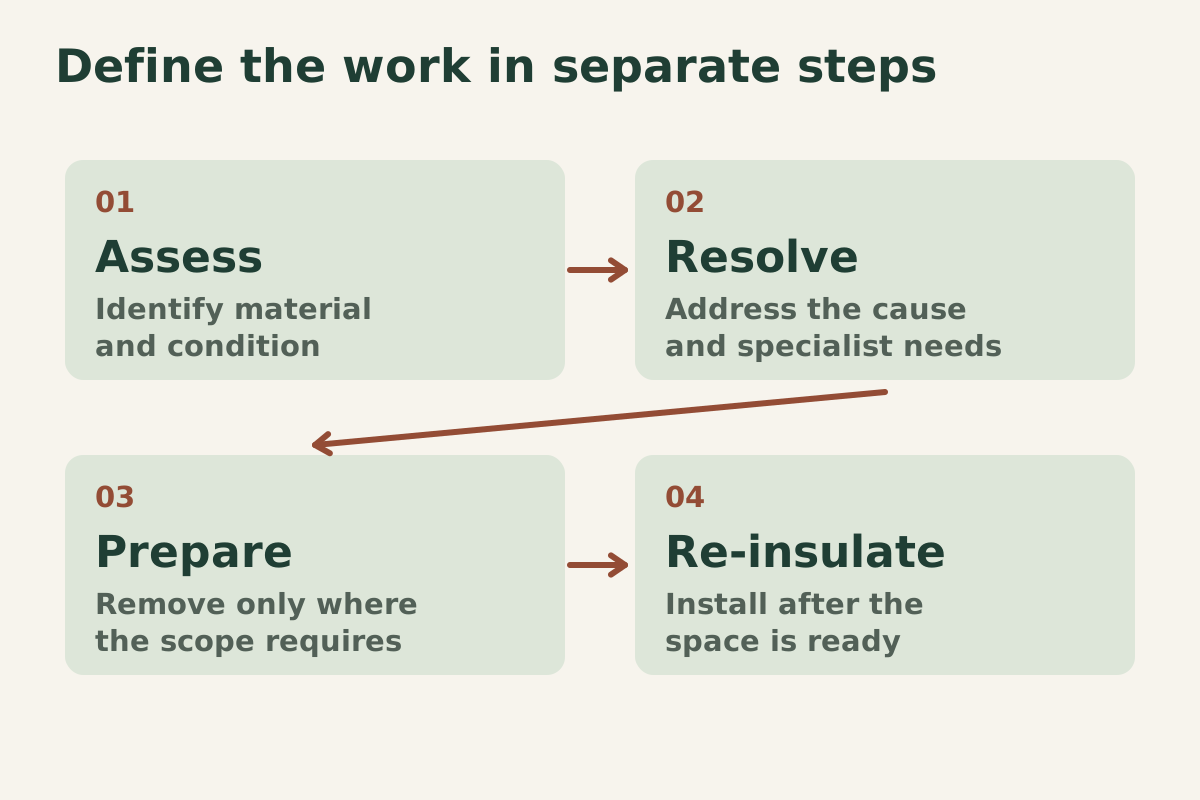
Before accepting a removal quote, ask what observed condition supports the recommendation. Suitable existing material may be considered for an attic top-up. Material affected by a leak, pest activity or another problem may require a different sequence, including work by another specialist before re-insulation.
An attic inspection and assessment should identify the accessible conditions, the limits of the inspection and any further assessment needed. Photographs can help explain what is visible, but they cannot establish every material’s composition or the cause of damage.
Keeping, correcting or replacing existing insulation
| Situation | Question to resolve before work |
|---|---|
| Existing material appears suitable for retention | Can preparation and the intended upgrade be completed without removal? |
| Insulation has been displaced locally | Is a localized correction appropriate, and what disturbed it? |
| Material has become wet | Has the source been resolved, and what material now needs attention? |
| Pest activity or contamination is suspected | Which assessment or remediation must happen before insulation work? |
| Material identity is uncertain | Is specialist identification necessary before disturbance? |
| Access beneath the insulation is required | How much removal is needed for the specific repair or preparation? |
This is a planning framework, not an online diagnosis. The proposed treatment should follow the actual findings. A quote that says “remove everything” without explaining why is difficult to compare with one that retains suitable material.
Suspect materials need specialist assessment
Some vermiculite insulation may contain asbestos. Material cannot be cleared as safe from a website photograph. If suspect material is present, avoid disturbing it and seek advice from an appropriately qualified professional before insulation work is planned.
The ordinary removal service described here does not imply asbestos-abatement capability, environmental clearance or specialist mould remediation. Where such work is required, the relevant qualified provider must establish the scope and any clearance or documentation needed before another contractor proceeds.
See Health Canada’s asbestos guidance for the public-health information. Do not collect a sample or move suspect insulation simply to obtain a quote through this website.
Resolve the cause before replacing the material
If insulation has been affected by a leak, pest issue or another building problem, replacing it does not by itself resolve that cause. The project needs an agreed sequence and a clear division of responsibility between the relevant trades.
For a roof-related concern, clarify whether repairs have been completed and whether further investigation is needed. For pest-related concerns, establish the required exclusion or remediation work. For visible attic moisture, avoid assuming that insulation, ventilation or the roof is the sole cause without assessment.
The attic moisture guide can help you describe the pattern. If the issue involves airflow or exhaust routing, review the air sealing and ventilation scope as well.
What ordinary insulation removal may involve
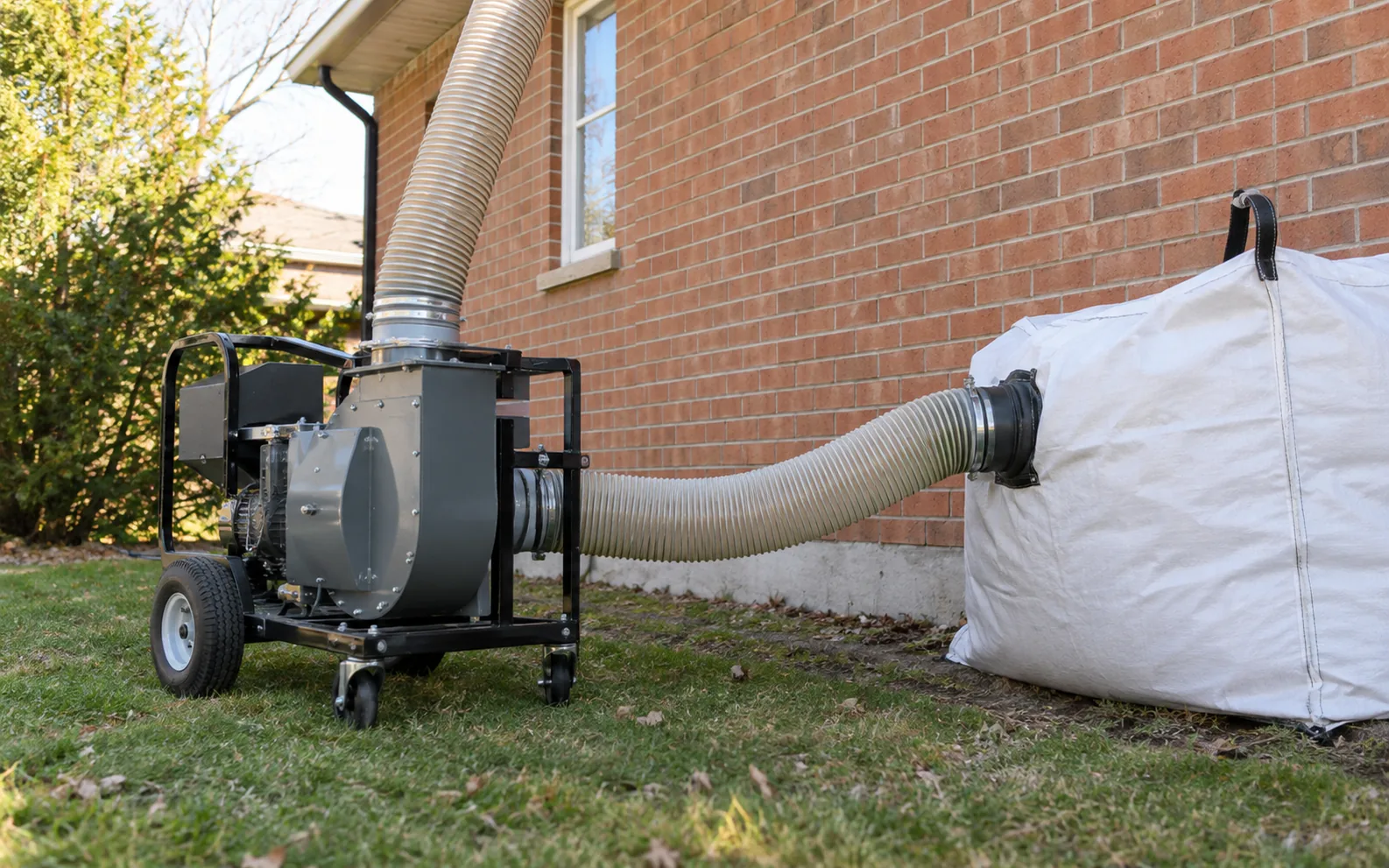
Once the material and scope are established, the quotation should describe the work area, removal method, containment, access protection and disposal arrangements. The suitable process depends on the actual material and conditions. It should not be assumed that every removal project uses the same equipment or precautions.
Ask how the route through the home will be protected and where equipment or collection materials will be placed. Access through a small hatch, restricted headroom, separate attic zones or a long route through finished rooms can change planning and labour.
The contractor should also explain what happens if an unexpected condition is found. Agreeing on a pause-and-review process is more useful than assuming the first quote covers every concealed problem.
Preparation and re-insulation are separate parts of the scope
Clearing insulation may create access to details that were previously covered. That can be an opportunity to assess the agreed ceiling-level air-sealing work, hatch treatment and ventilation path before new material is installed.
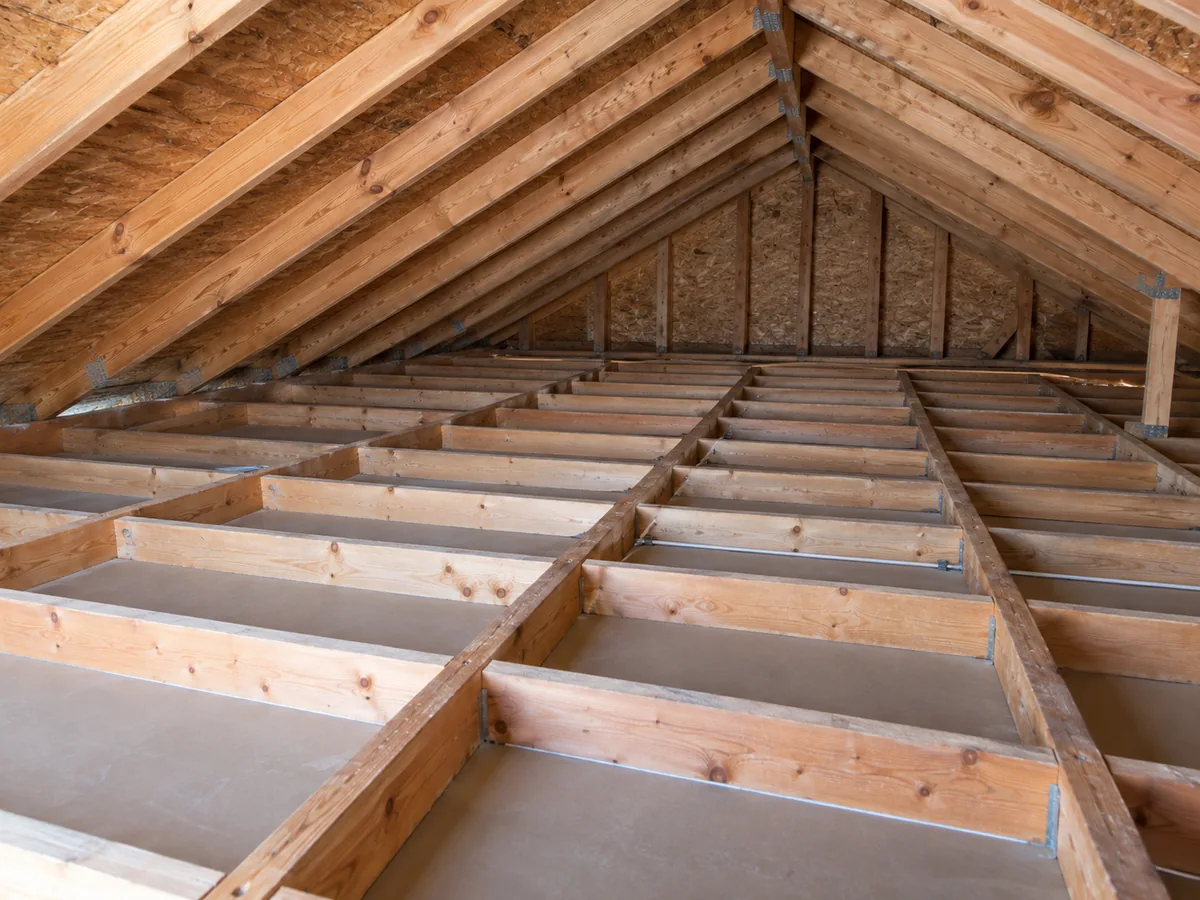
The replacement specification should identify the insulation product, coverage area and intended installed level. Ask whether baffles, hatch containment, disposal, cleanup and installation documentation are included. A removal-only quote and a removal-plus-replacement quote cover different outcomes.
Our materials guide explains product forms, while the attic insulation page covers the upgrade itself. These decisions should be connected in the final written scope.
Compare the complete project cost
Removal pricing can be affected by the quantity and type of material, access, containment needs, disposal and the work required before replacement. Specialist assessment or remediation can be a separate quotation. Ask who is responsible for each stage and whether taxes and disposal fees are included.
Avoid comparing only the removal line item. One quote may include protection, preparation and re-insulation while another ends after collection. The cost guide and quote checklist help separate those items.
If a rebate is relevant, confirm whether the proposed upgrade and sequence meet the current program rules. Do not assume that every removal expense is itself rebate-eligible. Refer to the official program links before authorizing work.
Information that helps an enquiry
Provide the Mississauga postal code, property type and the reason removal is being considered. Mention any existing inspection or remediation report, known roof repair, or previous contractor recommendation. If safe photographs already exist, say that they are available; new attic access is not required to begin the conversation.
For an addition, split-level layout or townhome, explain whether there are separate roof spaces and any known access restrictions. Permission and responsibility for shared or common elements should be established before work is booked.
Removal and replacement questions
Does insulation need removal simply because it is old?
Age alone is not a complete reason. Material identity, condition, coverage and the preparation required are more useful decision points.
Can only part of an attic need attention?
Possibly. The extent of damage and the underlying cause determine whether localized correction is appropriate. Ask the contractor to explain the affected area and any limitations.
Is pest control or roof repair included?
Only if it is explicitly part of the agreed scope and provided by an appropriate contractor. Do not assume an insulation quotation includes those separate services.
Will the attic be ready for new insulation immediately afterward?
That depends on the reason for removal and the work required. Repairs, drying, specialist assessment or preparation may need to occur before re-insulation.
What should completion documentation show?
Ask for the agreed removal and disposal scope, preparation work, replacement product and installation details, and any remaining exclusions. Specialist work may have its own documentation requirements, which the relevant provider should explain.
Safety source: Health Canada — health risks of asbestos. Material identification and remediation decisions require the appropriate professional assessment.