

On this page
- Compare the work before comparing the totals
- 1. Measured attic area
- 2. Existing insulation and condition
- 3. The specified material
- 4. The intended installed level
- 5. Air-sealing preparation
- 6. Ventilation paths and baffles
- 7. The attic hatch
- 8. Removal and disposal
- 9. Access, protection and arrangements inside the home
- 10. Cleanup and completion records
- 11. Price, taxes, exclusions and payment terms
- 12. Rebate route and application responsibilities
- A comparison checklist you can print
- Resolve a difference with one clear question
- Frequently asked questions
Compare the work before comparing the totals
Two attic insulation quotes can have different prices because they describe different projects. One may include ceiling air sealing, baffles and hatch improvements; another may cover only added material. A useful comparison puts the measured area, existing condition, product, preparation and commercial terms side by side before deciding which proposal fits the home.
Use the 12 checks below to request missing details in writing. They are a way to organize a discussion, not a formula for estimating a price. The attic insulation cost guide explains why access and condition can change the scope of a Mississauga project.
1. Measured attic area
Ask which attic spaces were measured and how the quantity was established. Total living area is not automatically the attic floor area. A two-storey home, addition or split-level property can have a roof footprint and access arrangement that differ from the home’s advertised square footage.
If part of the area is estimated, ask whether the price is fixed or subject to measurement. Name excluded roof sections clearly so the quote does not appear to cover rooms it does not reach.
2. Existing insulation and condition
The proposal should say what is present, what can stay and which concerns need attention. It should distinguish observed conditions from inaccessible areas or assumptions. A recommendation based only on “old insulation” leaves too much unexplained.
Ask whether a known water problem, pest issue or suspect material changes the sequence or requires another professional. If the condition is not yet understood, an attic assessment may be the useful next step before comparing installation totals.
3. The specified material
Look for the product name and intended application, rather than only “premium insulation” or a broad material category. Product instructions matter to the installation. A change of product should be discussed before work, with the equivalent scope and documentation explained.
The materials guide can help you understand the forms being proposed. The quote should identify why the product suits the attic assembly and how it will be used with any retained material.
4. The intended installed level
Ask whether the stated R-value or RSI is an added amount or the intended finished total. If existing insulation contributes to the figure, the contractor should explain the starting estimate. Required thickness and coverage should follow the named product’s documentation.
The R-value and depth article explains why inches alone are not enough. Ask what installation evidence will support the specification at completion, including coverage information where relevant.
5. Air-sealing preparation
“Air sealing included” is a starting point, not a full scope. Ask which accessible ceiling details are included, what material must be moved for access and which areas cannot be reached. Work near heat-producing or electrical components requires the appropriate methods and clearances.
Agree who handles any separate trade work discovered during preparation. The air sealing page explains why this belongs before the final insulation layer rather than as an assumed benefit of added depth.
6. Ventilation paths and baffles
Ask how the existing roof-space ventilation arrangement will be assessed and protected. If baffles, eave preparation or other ventilation work is proposed, the quote should identify the locations and purpose. Avoid comparing an unspecified allowance with a defined scope as though they were identical.
A recommendation to add vents should come with an explanation of the actual assembly. A ventilation line item does not establish that a moisture problem has been investigated or resolved.
7. The attic hatch
Hatch insulation, an effective closing seal and containment for loose fill are separate details worth checking. Ask whether the quote includes the hatch, and whether access changes or carpentry are needed. A new depth may require attention to how material is kept away from the opening.
If there is more than one hatch, identify which openings are included. Also confirm that the finished arrangement will still allow the intended access without unnecessarily disturbing the new coverage.
8. Removal and disposal
If removal is proposed, ask why, which areas are affected and what replaces the material. The scope should include the ordinary collection and disposal method and any exclusions. A whole-attic removal proposal is materially different from moving suitable material locally for preparation.
Specialist testing or hazardous-material work must be identified separately where needed. The removal and replacement guide helps distinguish these responsibilities from an ordinary insulation vacuuming service.
9. Access, protection and arrangements inside the home
Confirm the hatch location, the route through the home, equipment access and the protection included for finishes. Ask what you need to clear from normal living areas before the visit, without entering the attic yourself. Parking or management requirements may need coordination at a townhome or condominium property.
Clarify whether enlarging an opening, removing storage or reinstating finishes is included. If access proves different from what was assumed, agree how a proposed price or scope change will be approved.
10. Cleanup and completion records
Ask what cleanup is included and how the completed work will be reviewed. Useful records may include the product, treated area, intended level, relevant material quantity and photographs of accessible preparation or finished coverage. Program requirements can make some records especially important.
If a warranty is offered, obtain its terms, provider, duration, exclusions and claim process. A warranty mentioned by one contractor should not be treated as a promise made by this website or by every provider.
11. Price, taxes, exclusions and payment terms
Request the full quoted amount, treatment of HST, deposit and payment schedule, validity period and any allowances. Identify work excluded from the total, including repair, testing or other trades. Ask how concealed conditions or a changed scope will be handled before additional work proceeds.
Keep the contractor’s identity and contact details with the written quotation. Read the cancellation and scheduling terms before accepting. Comparing a gross price with another provider’s “after rebate” amount can obscure what you actually agree to pay.
12. Rebate route and application responsibilities
Confirm the exact program route before booking work. Ask whether an assessment must happen first, whether the contractor must participate in the program, and who supplies the invoice, photographs or application. A contractor’s ability to install insulation is separate from its status for a particular rebate route.
Ask whether any rebate is paid later or reflected in the contractor’s billing arrangement, and what happens if the application is not approved. Do not assume the maximum advertised amount applies to the property’s starting condition. The rebate guide links to current official rules and distinguishes the routes; program information should be rechecked before a commitment.
A comparison checklist you can print
Use your browser’s Print command to keep this article with the quotes. For each item, mark whether the proposal states it clearly, relies on an assumption or needs a written clarification. Leave prices blank until the scopes are comparable.
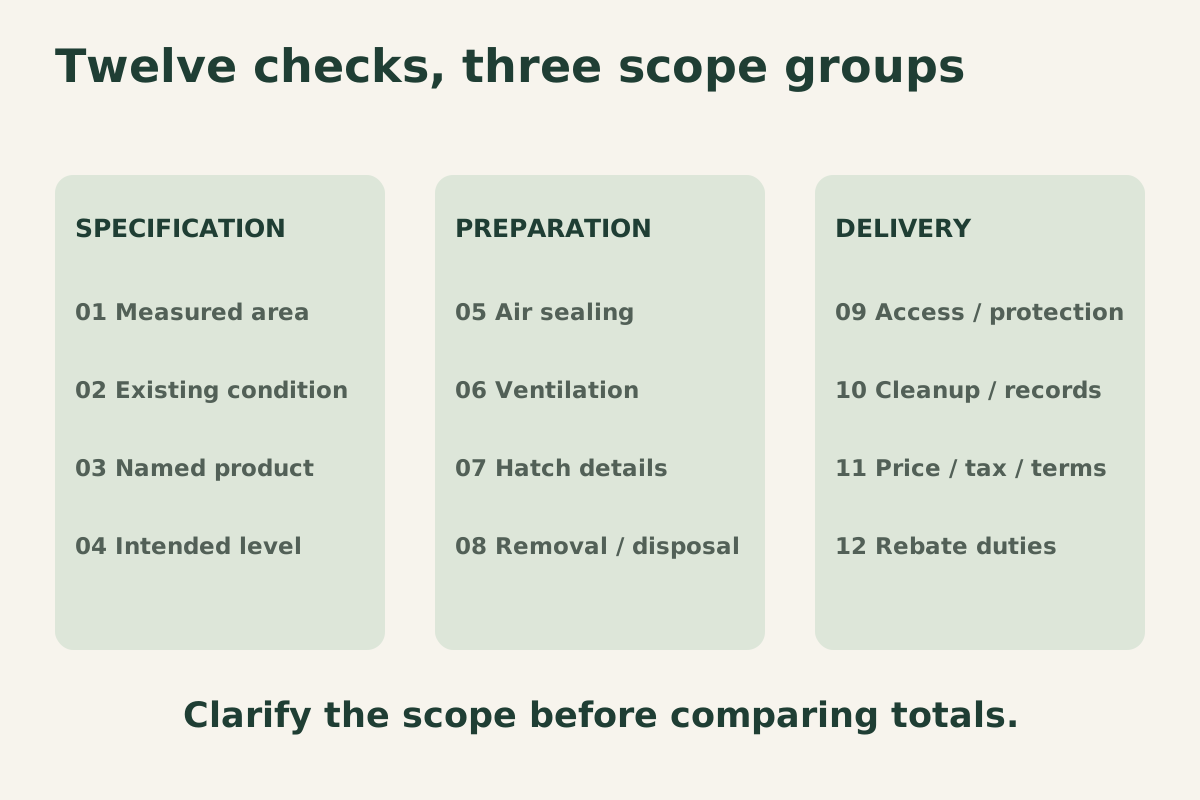
| Scope group | Checks to confirm | Record beside each quote |
|---|---|---|
| Existing conditions and specification | Area; condition; product; intended level. | Measured or assumed, included areas and exact product. |
| Preparation and access | Air sealing; ventilation; hatch; removal; access/protection. | Included work, exclusions and who handles other trades. |
| Completion and terms | Cleanup/records; price/tax/terms; rebate responsibilities. | Written deliverables, total obligation and application sequence. |
Resolve a difference with one clear question
If two proposals differ, ask: “What condition or included work accounts for this difference, and can you show it in the written scope?” That keeps the discussion tied to the house. It is more useful than asking one contractor to match a total without confirming the same work.
For example, if one quote retains the existing material and another removes it, request the condition finding behind removal. If one includes an additional roof space, ask the other whether it assessed that space. These are hypothetical comparisons, not customer quotes or claims about a particular provider.
Frequently asked questions
First establish whether the quotes cover the same areas, preparation, product, level and terms. A lower total can reflect a narrower scope. The comparison should explain that difference before you decide.Should I automatically choose the lowest total?
An initial estimate may use information you provide, but the final scope should explain the actual area or measurement assumption. Living area and attic footprint are not interchangeable for every property.Can the contractor estimate attic area from the home’s floor area?
Do not assume that it is. Confirm the current program route and the contractor’s billing terms, including who receives the rebate and what you owe if eligibility or payment differs from the estimate.Is a rebate deducted from the invoice immediately?